

Quick Overview
Teamwork is the process of people working together toward a common goal, combining strengths, skills, and perspectives to achieve more than individuals could alone. It relies on collaboration, trust, and clear communication to succeed in any setting.
This guide will walk you through:
✅ Why teamwork matters and the value it brings
✅ Key traits of an effective team
✅ Steps to build and sustain the right team
✅ Common challenges and practical solutions
✅ Examples of teamwork in business, sports, and education
✅ How teamwork adapts to remote and hybrid workplaces
You’ve heard the phrase: “Teamwork makes the dream work.” It may sound cliché, but there’s a deep truth behind it. Whether you’re launching a startup, managing a classroom project, building a home, or running a hospital ward—success is rarely a solo effort.
The most successful ventures, regardless of industry or scale, are almost always the result of a well-coordinated, motivated, and aligned team. But teamwork isn’t just about gathering people together and assigning tasks. It’s about collaboration, communication, trust, and shared purpose.
In this blog, we’ll dive into what makes teamwork truly effective, how to build the perfect team, and how it can help you achieve your biggest goals—whether in business, education, sports, or everyday life.
Why Teamwork Matters
Let’s begin by understanding why teamwork is so important.
1. It Combines Strengths
Every person brings a unique set of skills, experiences, and perspectives. When people work together:
- One person’s weakness can be balanced by another’s strength.
- Creative solutions emerge from a mix of ideas.
- Tasks are completed faster and more efficiently.
2. It Fosters Innovation
When diverse minds collaborate, they spark innovation. Different backgrounds mean different ways of thinking—and that’s where breakthroughs happen.
3. It Increases Motivation
Working alone can be draining. But working in a team:
- Creates shared energy
- Encourages accountability
- Builds morale and boosts commitment to the goal
4. It Enables Larger Achievements
Some goals are just too big for one person to tackle. A team can divide complex tasks, manage large workloads, and keep momentum going—pushing projects to completion that would otherwise be impossible.
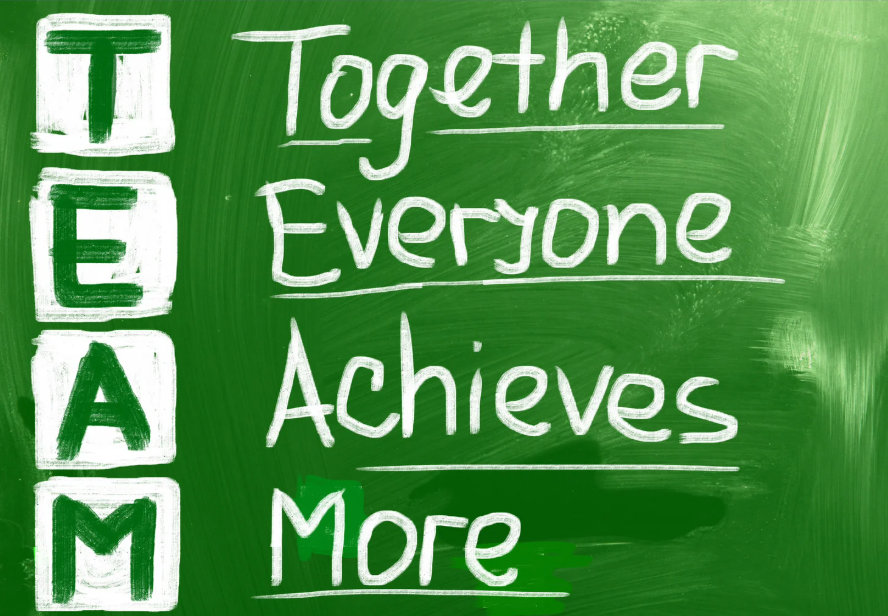
Characteristics of a Perfect Team
So what makes a “perfect team”? While no team is flawless, the best ones share certain key traits:
✅ 1. Clear Goals and Roles
Every team member knows:
- What the team is trying to achieve
- What their individual responsibilities are
- How their work contributes to the bigger picture
Without clear roles, confusion and duplication of effort can easily creep in.
✅ 2. Trust and Respect
Trust is the foundation of any successful team. Members must feel:
- Comfortable sharing ideas
- Respected by peers
- Safe admitting mistakes or asking for help
✅ 3. Open Communication
Communication doesn’t just mean talking—it means listening, clarifying, and engaging. The best teams:
- Hold regular check-ins
- Encourage honest feedback
- Use tools that make collaboration easy (e.g., Slack, Zoom, Trello)
✅ 4. Diversity and Inclusion
Inclusive teams perform better. Diversity of thought, culture, gender, and experience brings:
- Broader perspectives
- Better decision-making
- More innovative outcomes
✅ 5. Strong Leadership
A good leader isn’t a dictator—they’re a facilitator. They:
- Set vision and direction
- Remove obstacles
- Motivate and support their team

How to Build the Perfect Team
You don’t stumble upon a perfect team—you build it. Whether you’re assembling a team from scratch or improving an existing one, here’s how to do it:
🔹 Step 1: Define the Mission
Before you choose people, define what you’re trying to accomplish:
- What is the goal?
- What timeline are you working with?
- What skill sets are essential?
🔹 Step 2: Select the Right People
Look for:
- Skill diversity: Technical, creative, administrative, etc.
- Personality balance: Introverts and extroverts, big thinkers and detail folks
- Cultural fit: People who believe in the mission and work ethic
Pro Tip: Don’t just choose friends or people who think like you—that limits creativity.
🔹 Step 3: Create a Collaboration Culture
From day one:
- Encourage openness
- Set up communication norms
- Build team rituals (like daily check-ins or weekly reviews)
These habits create a sense of unity and rhythm.
🔹 Step 4: Assign Roles Based on Strengths
Don’t just divide tasks randomly. Instead, ask:
- Who’s naturally good at this?
- Who enjoys this type of task?
- Who wants to learn or grow in this area?
When people are in the right roles, performance improves dramatically.
🔹 Step 5: Celebrate Wins Together
Recognition fuels motivation. Celebrate:
- Milestones reached
- Goals achieved
- Individual contributions
A team that celebrates together stays together.
Overcoming Common Team Challenges
Even great teams face issues. Here are some common challenges—and how to solve them.
⚠️ Poor Communication
Solution: Introduce regular stand-ups, clear meeting agendas, and team messaging apps to keep everyone informed.
⚠️ Unequal Workload
Solution: Use project management tools (like Asana or Monday.com) to track tasks and ensure accountability.
⚠️ Personality Clashes
Solution: Focus on shared goals. Encourage open, respectful conflict resolution. Consider team-building workshops.
⚠️ Lack of Direction
Solution: Revisit the team’s mission. Leaders must reiterate priorities and make the big picture clear.

Real-World Examples of Teamwork That Made the Dream Work
🎓 In Education
Think of school group projects where one person does all the work. Now compare that to a group where everyone contributes based on their strength—someone researches, someone designs the presentation, someone speaks. The second team doesn’t just perform better—they learn more and enjoy the process.
🏢 In Business
Companies like Apple, Google, and Tesla didn’t become giants through solo genius. They built cultures of cross-functional teams that innovated together—blending design, engineering, marketing, and strategy.
⚽ In Sports
No matter how talented a striker is, they can’t win without the defenders, midfielders, and goalie. Every World Cup, Premier League, or Olympic win is proof that teamwork is non-negotiable.
Teamwork in Remote and Hybrid Workplaces
With remote work now the norm for many, teamwork has changed. You might never meet your teammates in person—but you still need to build trust and collaboration.
How to Strengthen Remote Teamwork:
- Use video calls to connect on a human level
- Create digital spaces for informal chat (e.g., virtual coffee breaks)
- Clarify expectations and set digital boundaries
- Emphasise over-communication rather than under-communication
Great teams adapt—even when they’re not in the same room.
Final Thoughts
The saying “teamwork makes the dream work” isn’t just motivational fluff. It’s a fundamental truth across industries and cultures. A good idea is just that—an idea—until the right team brings it to life.
If you want to achieve your goals faster, smarter, and with less stress, then investing time and effort into building or being part of a strong team is essential.
So whether you’re a manager, student, freelancer, or entrepreneur—remember this: your dream becomes achievable when the team becomes unstoppable.